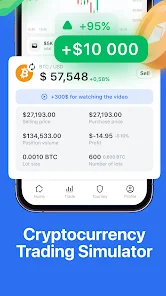
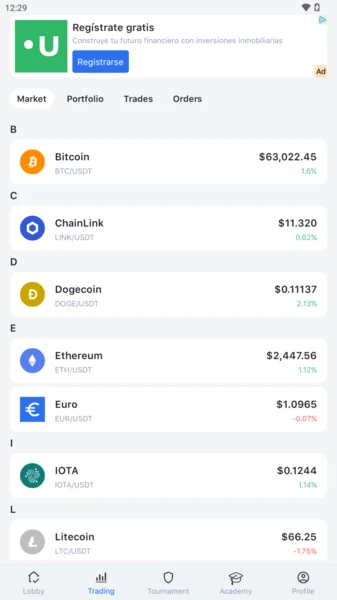
A quick word on the boring-but-important maintenance side, because an out-of-date app is both buggier and less secure. If you installed through the App Store or Google Play, updates are handled for you — the store pushes new versions automatically. That’s one more reason we steer beginners away from sideloaded APKs, which you’d have to update by hand and which quietly rot into stale, vulnerable versions.
The app itself is lightweight. As a simulator, it isn’t downloading a blockchain or syncing a real ledger, so it won’t chew through storage the way some crypto apps do. If it ever starts misbehaving — freezing, failing to load prices, or acting strangely after an update — the usual fixes apply: force-close and reopen, check your connection, clear the app’s cache, or reinstall from the official store as a last resort. None of that risks anything, because there’s no real balance to lose.
iOS vs Android: which experience is better?
Honestly, they’re close, and your choice of phone matters more than any difference in the app:
- iOS tends to feel slightly more locked-down and consistent, and Apple’s review process makes clone apps marginally rarer on the App Store.
- Android is more flexible and far more common globally (and in markets like Nigeria), but that openness is exactly why you must resist unofficial APKs.
Either way, the simulator plays the same. Pick the platform you already own, install from its official store, and spend your energy on learning to trade — not on hunting for a “better” build that doesn’t exist.