
Nigeria · Local guide

CryptoGuru in Nigeria: The Practical, No-Hype Guide

Crypto adoption in Nigeria is among the highest on earth, and CryptoGuru is a popular way to learn the ropes. Here’s the honest local guide — what the app does, whether it pays in Naira (spoiler: it’s a simulator), and how to trade real crypto safely.

ℹ️ Not the official CryptoGuru site crypto-guru.app is an independent educational guide, not affiliated with CryptoGuru. CryptoGuru is a virtual trading simulator.

Simulator CryptoGuru tournaments used by learners in Nigeria
RegionNigeria 🇳🇬
Pays Naira?No — virtual

Nigeria consistently ranks among the world’s leaders in grassroots crypto adoption, and for good reason — a young, digitally-native population, currency pressures that make people curious about alternatives, and a thriving peer-to-peer culture. In that environment, a free app that lets you practise trading without risking scarce cash is genuinely useful. That’s where CryptoGuru fits.

But local enthusiasm also attracts local myths, the biggest being that CryptoGuru “pays” in Naira. It doesn’t, and we’ll be blunt about why. This guide keeps it practical and honest for a Nigerian reader.

Context

Why CryptoGuru caught on in Nigeria

A few very local reasons the app resonates here:

  • Zero-cost learning. When disposable income is tight, practising with virtual funds means you can learn without risking money you can’t spare.
  • Mobile-first. Nigeria is overwhelmingly a smartphone-internet country, and CryptoGuru is built for the phone in your pocket.
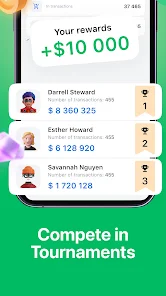
  • Gamified motivation. Tournaments and leaderboards tap into a competitive, community-driven scene that already loves crypto.
  • A safe on-ramp. Given how many crypto scams target the region, learning the mechanics in a consequence-free sandbox first is smart risk management.
The big question

Does CryptoGuru pay in Naira?

CryptoGuru wheel of fortune reward, a virtual prizePrizes are virtual

Short answer: no. This is the single most important thing for a Nigerian user to internalise. CryptoGuru is a simulator — the balance, the tournament prizes, the wheel-of-fortune wins are all virtual. There is no Naira payout, no bank transfer, no cash withdrawal, because no real money exists inside the app.

Any WhatsApp group, Telegram “admin” or TikTok clip claiming they cashed out CryptoGuru profit to their Nigerian bank account is either mistaken or setting up a scam. Please read our withdrawal explainer — it could save you from a painful “release fee” fraud.

Install

Downloading CryptoGuru in Nigeria

Getting the app locally is the same safe process as anywhere:

  1. Open the Google Play Store (most common in Nigeria) or the App Store on iPhone.
  2. Search CryptoGuru, verify the developer and reviews, and install. It’s free.
  3. Avoid “CryptoGuru APK” links shared in WhatsApp or Telegram groups — cloned APKs are a well-known malware vector here. Stick to the official store.

See the full download guide for spotting fakes. A slow connection is the only common local hiccup — download on Wi-Fi if data is tight.

Local scam alert

Be extra sceptical of “CryptoGuru agents” in group chats. Nigeria’s crypto scene is vibrant but heavily targeted by fraudsters. No legitimate app needs you to pay an “activation” or “withdrawal” fee, and no simulator pays real Naira.

The law

Crypto regulation in Nigeria — the state of play

This is informational only — not legal advice — and the rules genuinely move, so verify current guidance yourself:

Nigeria crypto landscape (verify current status)
BodyRoleGeneral direction
Central Bank of Nigeria (CBN)Banking & monetary policyMoved from restricting banks servicing crypto firms toward a more regulated engagement model.
Securities & Exchange Commission (SEC)Digital-asset oversightDeveloping frameworks to license and supervise digital-asset activity.
You (the user)Compliance & taxResponsible for using reputable, compliant platforms and following current rules.

The trend across 2024–2026 has been toward regulation rather than outright bans, but specifics change with each circular and guideline. Because CryptoGuru is a simulator with no real transactions, it doesn’t touch these rules directly — but the real platform you graduate to absolutely will. Always confirm the latest CBN and SEC positions before trading real crypto.

Going live

Trading real crypto safely from Nigeria

Once the simulator feels routine, here’s a sober path to the real thing:

  1. Choose a reputable global exchange that accepts Nigerian users and complete identity verification (KYC).
  2. Start small. Fund only what you can afford to lose entirely — treat your first real trades as tuition.
  3. Reuse your simulator habits. Every position gets a stop-loss; size sensibly; don’t chase.
  4. Protect it. Turn on app-based 2FA, and move meaningful holdings to a wallet you control, with the seed phrase written offline.

The mechanics you drilled for free in CryptoGuru transfer directly. What changes is that losses now hurt and mistakes are permanent — so the discipline matters more than ever.

Two-line safety reminder

No simulator pays real Naira, and no one legitimate asks for a fee to “release” your money. Guard your seed phrase and passwords — real support will never request them.

Local context

P2P, stablecoins and how Nigerians actually move crypto

To understand why crypto is so woven into daily life here, you have to understand the local mechanics — and they’re very different from the frictionless taps inside a simulator. When Nigerians trade real crypto, a few patterns dominate:

  • Peer-to-peer (P2P). Rather than a card deposit, many people buy and sell directly with other users through an exchange’s P2P marketplace, settling in Naira via bank transfer. It’s flexible but demands care — only trade with reputable counterparties and use the platform’s escrow, never off-platform “direct deals.”
  • Stablecoins as a savings tool. Given Naira volatility, dollar-pegged stablecoins like USDT are hugely popular for holding value. That’s also why the network rules for sending USDT matter so much here — a wrong-network transfer is a wrong-network transfer whether you’re in Lagos or London.
  • Mobile-first everything. Trades, transfers and P2P chats all happen on the phone, which is exactly why practising on a mobile simulator like CryptoGuru is such a natural fit.

None of this happens inside CryptoGuru, of course — it’s a simulator. But knowing the real-world plumbing tells you what to practise for. The order-placing and risk habits you build in the app are the transferable part; the P2P etiquette, the KYC, the network selection and the Naira settlement are what you’ll layer on top once you go live.

Nigeria-specific caution

Romance-style and “investment mentor” scams are rampant in local crypto circles. If a new online acquaintance introduces you to CryptoGuru and then guides you toward depositing real money or paying to withdraw, disengage immediately. The app is free and pays nothing — that pressure is coming from a fraudster, not the software.

Your roadmap

A start-to-finish plan for a Nigerian beginner

Let’s tie it together into a concrete path you can actually follow, from complete beginner to confident real-money trader — without lighting your Naira on fire along the way.

  1. Week 1 — Learn the language. Install CryptoGuru from the official store, work through the in-app academy, and read our what-is-CryptoGuru and how-to-trade guides. Goal: understand orders, pairs and stop-losses.
  2. Weeks 2–3 — Drill the mechanics. Place dozens of practice trades. Set a stop-loss on every single one. Join a tournament to keep it fun, but don’t confuse leaderboard glory with skill.
  3. Week 4 — Study your own behaviour. Review your practice trades. Where did you panic, chase, or move a stop? Those are the exact habits that would cost you real money.
  4. Going live — Start tiny. Choose a reputable global exchange that accepts Nigerian users, complete KYC, and fund only what you can genuinely afford to lose. P2P is common locally; use the platform’s escrow and trusted counterparties only.
  5. Protect it — Self-custody. As holdings grow, move the bulk off the exchange into a wallet you control, with the seed phrase written on paper and stored offline.

Notice what’s missing from that roadmap: any step where you pay CryptoGuru to unlock winnings, or where the simulator sends money to your bank. Those steps don’t exist, because the app is a teacher, not an employer. Treat it that way and you’ll get exactly what it’s good for — a free, low-pressure education in a market that plenty of Nigerians are already navigating profitably and safely.

#1-tier
Nigeria in global crypto adoption
Free
To learn on the simulator
₦0
Paid out by any simulator
KYC
Needed on real platforms
FAQ

Frequently asked questions

Does CryptoGuru pay real money in Nigeria?

No. CryptoGuru is a trading simulator, so it doesn’t pay Naira or any real currency anywhere, including Nigeria. Balances and winnings are virtual practice funds with no cash value.

Is CryptoGuru available in Nigeria?

Yes — as a free app on the global App Store and Google Play, it’s generally accessible to Nigerian users. You only need an internet connection and a compatible phone.

Is crypto legal in Nigeria?

Nigeria’s stance has evolved. The Central Bank of Nigeria (CBN) previously restricted banks from servicing crypto firms, but guidance has since shifted toward regulated engagement, with the SEC developing frameworks for digital assets. Rules change — always check current CBN and SEC guidance, as this page is informational, not legal advice.

How can Nigerians trade real crypto after practising?

Use a reputable global exchange that accepts Nigerian users, complete identity verification, fund a small amount, and practise the same order and stop-loss habits you learned in the simulator. Keep larger holdings in a wallet you control.

Ready to trade real crypto from Nigeria?

When you’ve practised enough, move to a regulated global exchange that supports Nigerian users. Start with a small amount, verify your identity, and keep your seed phrase offline.

Open a Live Account

Partner link — opens a third-party exchange. Not affiliated with CryptoGuru.